
Exploring different artistic mediums can open up new worlds of creativity and self-expression. As you embark on this journey, you’ll discover fresh ways to convey your ideas and emotions through various forms of art. Trying out different mediums allows you to expand your artistic skills and find the perfect outlet for your unique voice.
Venturing into unfamiliar artistic territories may feel daunting at first, but it’s an exciting opportunity for growth. You might uncover hidden talents or develop a deeper appreciation for diverse art forms. This article will provide you with practical tips to help you confidently explore new mediums and broaden your artistic horizons.
1) “Creativity takes courage.” – Henri Matisse
Henri Matisse’s words ring true for artists of all levels. Embracing your creative spirit often means stepping outside your comfort zone and facing potential criticism or self-doubt.
You might feel hesitant to share your work or try new techniques. These feelings are normal, but pushing through them can lead to incredible growth and self-expression.
Taking risks in your art allows you to discover unique styles and perspectives. You may surprise yourself with hidden talents or unexpected directions your creativity can take.
Remember, even famous artists faced challenges and moments of uncertainty. Their courage to persist despite setbacks led to groundbreaking works that continue to inspire.
Embrace imperfection in your creative journey. Allow yourself to experiment, make mistakes, and learn from the process. Each attempt builds your confidence and artistic skills.
Surrounding yourself with supportive fellow artists can boost your courage. Seek out like-minded individuals who encourage your creative endeavors and offer constructive feedback.
2) Explore watercolor painting
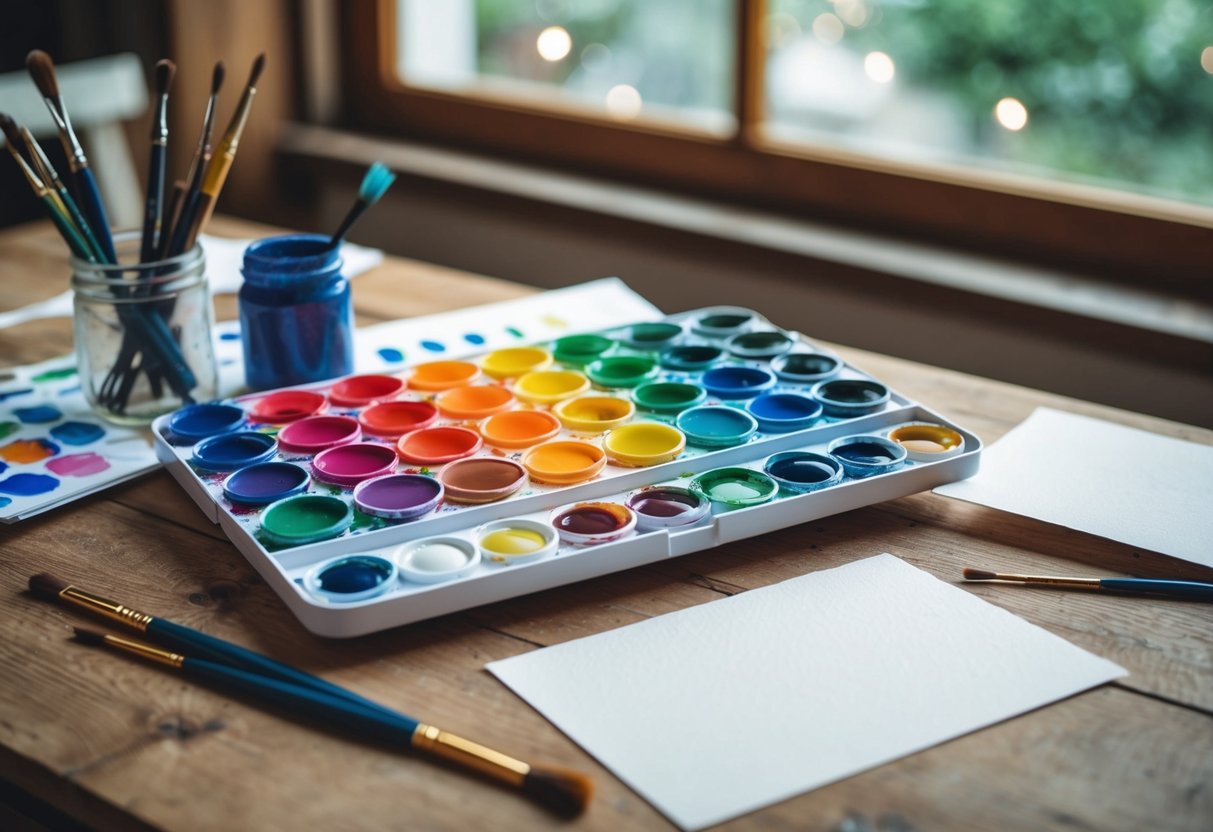
Watercolor painting offers a unique and expressive way to capture the world around you. This medium allows for soft, ethereal effects and vibrant washes of color that can bring your artistic vision to life.
Start by gathering quality watercolor paints, brushes, and paper. Experiment with different techniques like wet-on-wet, wet-on-dry, and dry brush to create varied textures and effects.
Practice layering colors and allowing them to blend naturally on the paper. Don’t be afraid to let the paint flow and create unexpected patterns – this spontaneity is part of watercolor’s charm.
Try painting landscapes, still lifes, or abstract pieces to discover what resonates with you. As you gain confidence, challenge yourself to capture light and shadow using only transparent washes.
Remember that mistakes can often lead to happy accidents in watercolor. Embrace the unpredictable nature of the medium and let it guide your creative process.
3) Experiment with digital illustration
Digital illustration opens up a world of creative possibilities. You can explore this medium using various software programs and tools designed for digital art. Try out different brushes, textures, and effects to discover your unique style.
Start with simple sketches and gradually build up to more complex compositions. Don’t be afraid to make mistakes – digital art allows for easy undoing and experimentation. Play around with layers to add depth and dimension to your work.
Consider investing in a graphics tablet for a more natural drawing experience. These devices allow you to use a stylus, mimicking traditional pen-and-paper techniques while harnessing the power of digital tools.
Explore different styles within digital illustration, from vector art to pixel art. Each has its own charm and challenges. You might find yourself drawn to one particular style or enjoy mixing multiple approaches in your creations.
Remember to save your work frequently and in multiple file formats. This will help you keep track of your progress and ensure your art is accessible across different platforms.
4) Try sculpting with clay
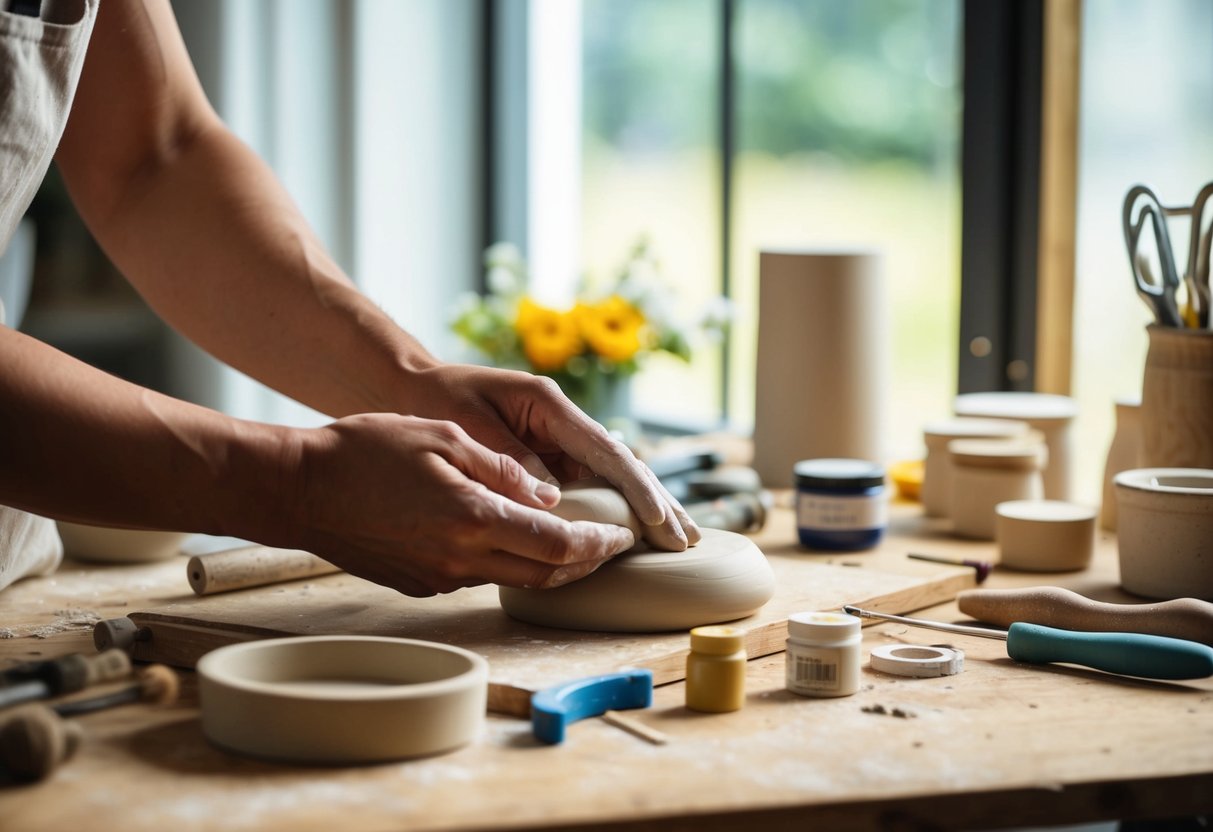
Clay sculpting offers a unique tactile experience that can awaken your artistic senses. You’ll find joy in molding and shaping this versatile material with your hands. Start with a small lump of clay and let your imagination guide you.
Experiment with different techniques like coiling, pinching, and slab building. These methods allow you to create various forms and textures. As you work, pay attention to how the clay feels and responds to your touch.
Don’t worry about perfection. Embrace the imperfections and let them become part of your piece. Clay is forgiving, so you can always smooth out mistakes or start over if needed.
Consider taking a local pottery class to learn basic techniques and gain access to tools and kilns. You might discover a new passion for ceramics. Whether you create functional pieces or abstract sculptures, clay sculpting can be a rewarding addition to your artistic repertoire.
5) Dive into photography
Photography offers a unique way to capture the world around you. Grab a camera or even your smartphone and start experimenting with composition, lighting, and subject matter. Try different styles like landscape, portrait, or street photography to find what resonates with you.
Play with various camera settings to understand how they affect your images. Experiment with shutter speed, aperture, and ISO to create different effects and moods in your photos. You might discover a passion for long exposures or macro photography.
Don’t be afraid to edit your photos. Post-processing can enhance your images and help you develop your artistic style. Explore different editing software and techniques to bring your vision to life.
Share your work with others and seek feedback. Join photography groups or online communities to connect with fellow enthusiasts. You’ll gain valuable insights and inspiration from other photographers’ perspectives and experiences.
6) Practice calligraphy
Calligraphy offers a unique way to blend art and writing. You can start with basic tools like a fountain pen or brush pen and quality paper. Begin by learning different letter forms and strokes through online tutorials or local workshops.
Experiment with various scripts such as Gothic, Copperplate, or modern styles. Focus on consistent letter spacing and line thickness as you practice. Don’t worry about perfection; enjoy the process of creating beautiful letterforms.
Try incorporating calligraphy into your daily life. Write inspiring quotes, create handmade cards, or personalize gift tags. As your skills improve, you might even design custom invitations or artwork for your home.
Calligraphy can be a meditative practice, helping you slow down and find peace in the art of writing. Allow yourself to get lost in the flow of ink on paper, and watch your artistic expression flourish through this timeless craft.
7) Use mixed media techniques
Mixed media techniques open up exciting possibilities for artistic expression. You can combine different materials and methods to create unique, multidimensional pieces. Try incorporating paint, collage, and digital elements in a single artwork.
Experiment with layering various textures and mediums. You might start with a painted background, add torn paper elements, and finish with digital touches. This approach allows you to play with depth and visual interest.
Don’t be afraid to mix traditional and modern techniques. Blend charcoal sketches with photography, or combine sculpture with video projections. These unexpected pairings can lead to innovative and thought-provoking art.
Consider using found objects in your mixed media creations. Integrate items from nature, recycled materials, or everyday objects to add texture and meaning to your work. This can bring a personal touch to your art and spark conversations about sustainability.
As you explore mixed media, pay attention to how different elements interact. Some combinations might surprise you with their harmony, while others create intriguing contrasts. Let your curiosity guide you as you discover new ways to express your artistic vision.
8) Sketch with charcoal
Charcoal sketching offers a unique and expressive artistic experience. You’ll love the rich, deep blacks and soft grays this medium creates. Grab some charcoal sticks and paper to start exploring its versatility.
Experiment with different pressure levels as you draw. Light touches produce delicate lines, while pressing harder creates bold, dramatic strokes. Try using the side of the charcoal for shading and blending.
Don’t be afraid to get your hands dirty! Use your fingers to smudge and soften lines, adding depth and texture to your sketches. Kneaded erasers are great for lifting charcoal and creating highlights.
Start with simple subjects like still life objects or landscapes. As you gain confidence, challenge yourself with portraits or figure drawing. Charcoal’s forgiving nature allows you to easily correct mistakes and refine your work.
Embrace the messy, imperfect nature of charcoal. Its raw, unrefined look can add character and emotion to your art. Let your creativity flow and enjoy the process of bringing your ideas to life on paper.
9) Create art with recycled materials
You can transform everyday discarded items into unique works of art. Look around your home or neighborhood for materials others might consider trash – old magazines, plastic bottles, cardboard boxes, or scrap metal.
Let your imagination run wild as you repurpose these objects. Cut up colorful magazine pages to create a vibrant collage. Turn empty plastic containers into quirky sculptures or planters.
Experiment with different techniques like weaving, folding, or assembling to bring your vision to life. You might craft a whimsical robot from old electronic parts or design a textured wall hanging using fabric scraps.
Creating art from recycled materials not only sparks creativity but also promotes sustainability. You’ll develop a keen eye for seeing potential in unexpected places. Plus, you’ll feel good knowing your art is giving new life to items that might otherwise end up in a landfill.